How Freight Broker Technology Is Reshaping the Dispatch Desk
From Clipboards to Control Towers
My first dispatch desk was a mess of sticky notes, three monitors, and a radio that never stopped squawking. Back then, the phrase "freight broker technology" meant a fax machine that worked most of the time and a spreadsheet that someone else kept updated. Fast forward to today, and that same desk has become a command center. The tools have changed. The pressure to move loads faster and more accurately has not.
Freight brokers sit at the intersection of shippers who need trucks and carriers who need freight. The margin for error is razor thin. A missed email can mean a load sits for hours. A mistyped rate can erase a week of profit. That is where modern freight broker technology comes in. It is not just software. It is a way to automate the repetitive tasks that eat up a broker's day so they can focus on relationships and exceptions.
What Changed When the Tech Arrived
I remember the first time I used a transportation management system that actually talked to a carrier's system. It was not perfect. But it cut the time I spent on load tendering by half. That felt like a luxury. Today, brokers expect that level of integration as a baseline. The shift from manual to automated workflows has been gradual but decisive.
One of the biggest changes is how brokers handle capacity. In the old model, you called or emailed every carrier on your list. You left voicemails. You waited. Now, with the right platform, you broadcast a load to a curated group of carriers and the first one to accept gets it. This is not just faster. It reduces the back-and-forth that leads to errors. The best freight broker technology does not replace the broker's judgment. It removes the friction so that judgment can be applied where it matters most.
Automation Without Losing the Human Touch
A common fear I hear from veteran brokers is that technology will make them obsolete. I understand the concern. But after years in this industry, I have seen the opposite happen. Automation handles the routine: rate confirmations, tracking updates, invoice matching. That frees up the broker to do what a machine cannot. Build trust. Negotiate when a load goes sideways. Know that a certain driver prefers parking near the diesel pump, not the front lot.
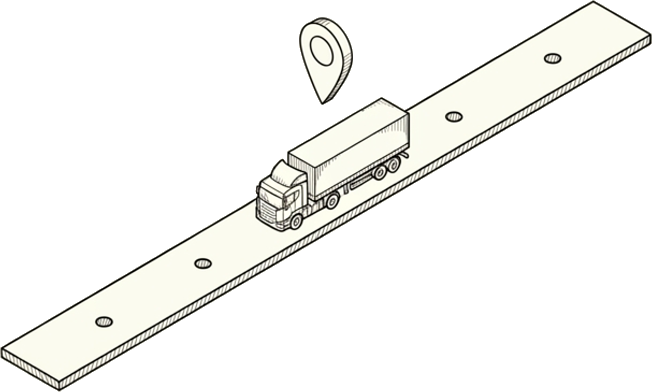
This balance is hard to get right. Some systems automate so aggressively that brokers lose visibility into what is happening. That is dangerous. A complete black box might save time, but it can also hide a problem until it is too late. The systems that work best give brokers control over what gets automated and what gets flagged for human review. That is the sweet spot.
Real Workflows That Benefit From Tech
Let me give you a concrete example. A broker I worked with used to spend two hours every morning checking the status of the loads that went out the night before. She called each carrier. She updated her spreadsheet. She emailed shippers. That time added up. By switching to a system that automatically pulls tracking data from carrier APIs and sends updates to shippers, she reclaimed those two hours. She used them to prospect new carriers and follow up on leads. Her revenue grew. Her stress level dropped.
Another area where I have seen freight broker technology make a real difference is in document management. Every load generates paperwork: bills of lading, rate confirmations, invoices. Keeping them organized is tedious. Losing one can hold up payment for weeks. Modern systems use optical character recognition and smart tagging to sort documents automatically. The broker can find any document in seconds. That is not a luxury. It is a direct line to faster cash flow.
What to Look For in a Platform
Not all technology is created equal. I have tested systems that promised the world but delivered a clunky interface that took weeks to learn. A good platform should feel intuitive from the first login. It should also integrate with the tools you already use: accounting software, load boards, carrier vetting services. A standalone system that requires manual data entry defeats the purpose.
Another factor is how the system handles exceptions. Every broker knows that the perfect load is rare. Trucks break down. Drivers run late. Shippers change dock appointments. The technology should help you spot these exceptions quickly and give you the tools to resolve them. A dashboard that shows only the loads that need attention is worth more than a hundred reports.
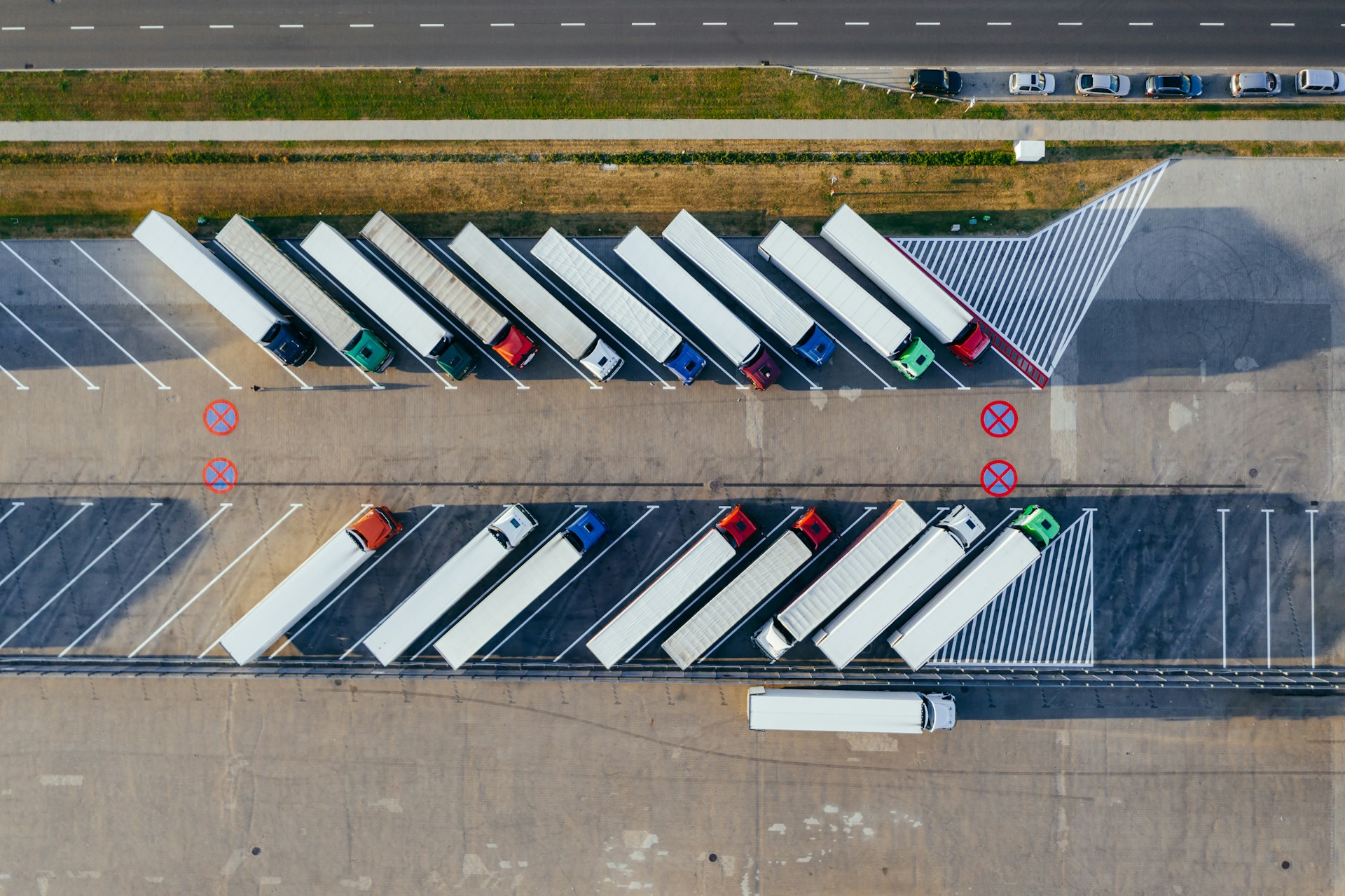
This is where I have seen the lunetms freight broker technology make a noticeable difference for teams I have worked with. The way it flags a load that has not been picked up on time or a carrier that has not confirmed a rate change feels natural, not like extra noise. It lets the broker stay ahead of problems rather than chasing them after they escalate.
The Hidden Cost of Old Tools
Sticking with outdated methods has a real cost. I have watched brokers burn out because they are doing the work of three people with tools from a decade ago. The turnover in brokerage is high, and a big reason is the grind of manual work. Technology that automates the routine does not just improve margins. It improves morale. A broker who is not exhausted at the end of the day is a broker who stays in the seat and builds better relationships.
There is also the cost of errors. A mistyped rate, a missed email, a double-brokered load. These happen more often when the workflow is manual. Each error costs time and money. Some cost customers. The best argument for investing in better freight broker technology is not efficiency. It is accuracy. Getting it right the first time builds trust that no amount of speed can replace.
Looking Ahead Without Hype
I am not going to tell you that technology will solve every problem a broker faces. It will not. The market will still have tight capacity. Rates will still fluctuate. Shippers will still demand more for less. But the brokers who adopt good tools will have an edge. They will spend less time on data entry and more time on strategy. They will catch problems earlier. They will sleep better at night.
The lunetms freight broker technology is one example of the kind of platform that is moving the industry forward. It focuses on dispatch automation, which is the heart of the broker's day. When the dispatch workflow is smooth, everything else gets easier. The broker can focus on the load, not the system.

If you are a broker still running your desk with spreadsheets and email threads, you are leaving money on the table. The transition to a proper system takes effort, but the payoff is real. Start small. Automate one workflow. See how it feels. Once you experience a day where the system handles the routine and you handle the exceptions, you will not want to go back.
The tools are not the hero of the story. The broker is. But the right tools make that hero a lot more effective. And in a business where every minute counts, that is the difference between a good year and a great one.
 LinkedIn
 Facebook
 Instagram
 YouTube